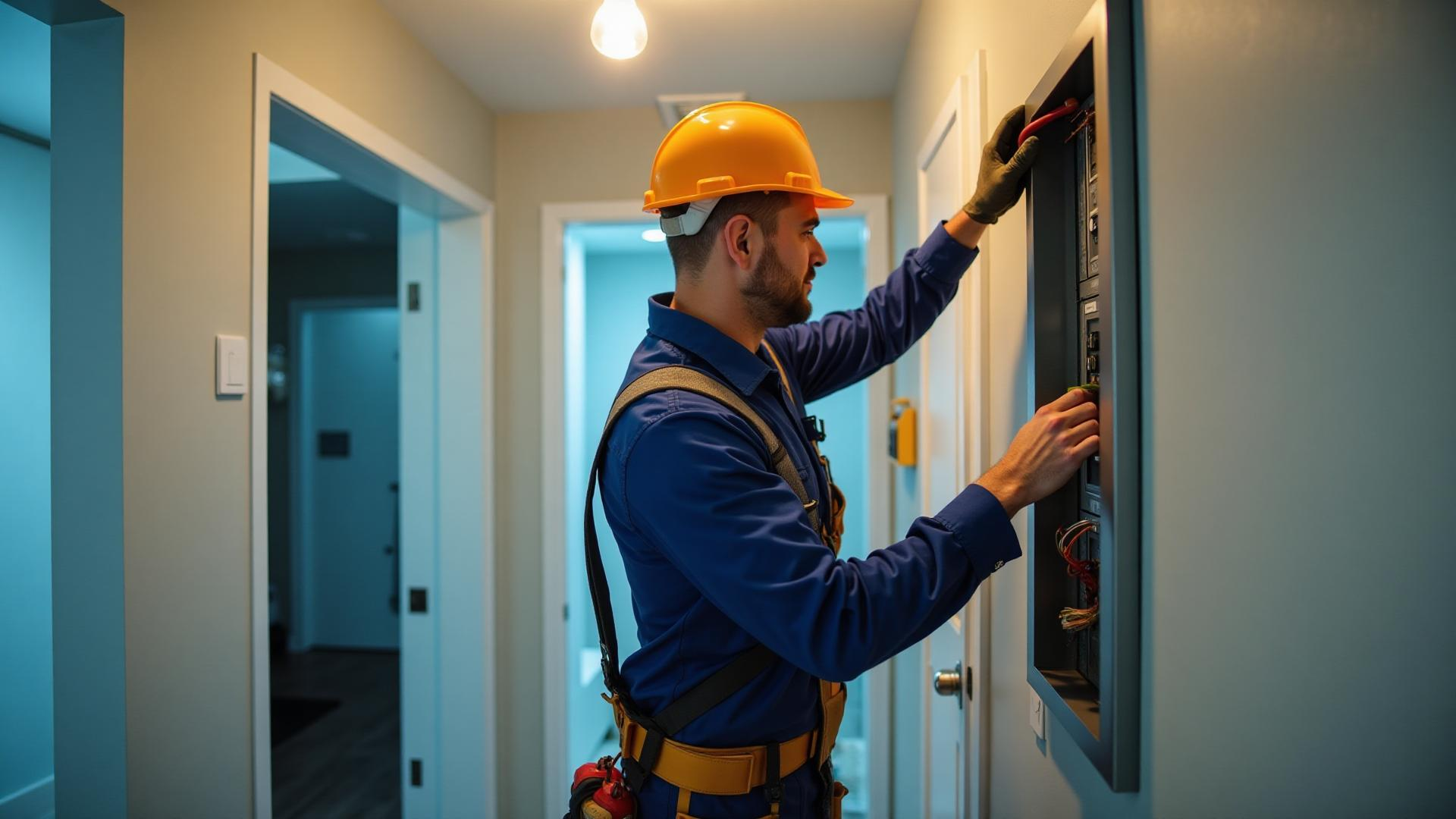
Circuit breaker repair and replacement that fixes the fault behind the trip, from Klean Power Electric, licensed and serving Broward County since 1995.








A breaker that trips again and again is doing its job, warning of a problem behind the wall. Klean Power Electric handles circuit breaker repair across Las Olas, Coral Ridge, Wilton Manors, and Plantation. A trained circuit breaker electrician finds the real cause, an overload, a short, or a failing breaker, before swapping any part.
A hot, buzzing, or dead breaker is not a part to keep resetting and hoping. Heat and humidity, salt-air corrosion, and Florida’s heavy AC load wear breakers down fast in Broward County homes. Breaker repair and replacement restores safe overcurrent protection, with the new breaker matched to the panel and sized to the wire it guards.
EXCELLENTTrustindex verifies that the original source of the review is Google. We needed a ceiling fan installed in a vaulted living room. The height made it a tricky job, but they handled it with ease. Their crew worked efficiently and respected our home. We felt confident throughout the entire process.Posted on GoogleTrustindex verifies that the original source of the review is Google. Fantastic service from start to finish! The electricians showed up on time, worked quickly, and explained everything clearly. The job was done neatly, and my home looks great. Super professional and trustworthy. I’d definitely call them again for any future electrical work!Posted on GoogleTrustindex verifies that the original source of the review is Google. I had an excellent experience working with Idan from Klean Power Electric Inc. He was professional, knowledgeable, and went above and beyond to make sure everything was done right. The quality of his work is outstanding—clean, precise, and clearly done with care. He explained everything thoroughly, offered great solutions, and made the whole process stress-free. It’s rare to find someone who combines skill with such genuine customer service. I’ll definitely be calling Idan again for future projects and highly recommend Klean Power Electric to anyone who needs reliable electrical work.Posted on GoogleTrustindex verifies that the original source of the review is Google. I’ve used Klean Power Electric twice over the past two years, and both experiences were excellent. Most recently, they installed an EV charger at my home, and the process was smooth from start to finish. Idan was great—professional, knowledgeable, and very thorough in making sure everything was set up correctly. The quality of work is outstanding, and they really care about getting the job done right. I would highly recommend Klean Power Electric to anyone looking for reliable and professional electrical work.Posted on GoogleTrustindex verifies that the original source of the review is Google. Idan and his team were professional, friendly, and fast. They came to re-wire my tankless water heater and installed a light fixture in my living room. Would easily recommend to anyone looking for electrical work. You have a customer for life!Posted on GoogleTrustindex verifies that the original source of the review is Google. The best fast and inexpensive! Great same day quick service I called in less than 1 hour he fixed my Tesla 240W outlet !Posted on GoogleTrustindex verifies that the original source of the review is Google. Seriously the best electrical company. Idan and his guys are great. They are reliable and know exactly what they're doing. I highly recommend.Posted on GoogleTrustindex verifies that the original source of the review is Google. Review Title: Exceptional Service and Expertise We recently hired this company and we couldn’t be happier with the experience! From the moment we called, their team was responsive, professional, and extremely knowledgeable. The electrician arrived on time, explained the process clearly, and completed the job efficiently. They not only fixed the issue but also took the time to check other areas to ensure everything was safe and up to code. It’s clear they take pride in their work and prioritize customer satisfaction. The pricing was fair and transparent, with no surprises. We appreciated their attention to detail and commitment to doing the job right the first time. I highly recommend Klein Power Electric to anyone looking for reliable and skilled electricians. We’ll definitely call them again for future needs!Posted on GoogleTrustindex verifies that the original source of the review is Google. I have been using Klean Power Electric for years for both my commercial and residential properties, and I can’t recommend them highly enough! Their professionalism, attention to detail, and expertise are second to none. Whether it’s a small residential project or a complex commercial installation, they always deliver exceptional work on time and within budget. The team is friendly, knowledgeable, and always willing to go the extra mile to ensure everything is perfect. It’s rare to find such consistency and reliability in a service provider.Posted on GoogleTrustindex verifies that the original source of the review is Google. On time, very professional and amazing prices. Got the job done and even went above and beyond to make sure everything was working perfectly. Highly recommend their services!
A breaker that trips, buzzes, or feels hot will not fix itself. Klean Power Electric handles circuit breaker repair and replacement with flat-rate pricing, matched breakers, and same-day scheduling across Broward County, so the panel gets back to safety in one visit.
A circuit breaker is the overcurrent safety that stands between the wiring and a fire. It watches the current moving through each circuit and cuts power the instant the load climbs too high or a fault appears, long before a wire can overheat. In Fort Lauderdale, where heavy AC use, humidity, and salt air push panels hard all year, that protection earns its keep every day. A breaker trips for one of three reasons:
Each trip is the breaker doing its job. Repeated tripping is a sign the fault behind it needs a real fix, not another reset.
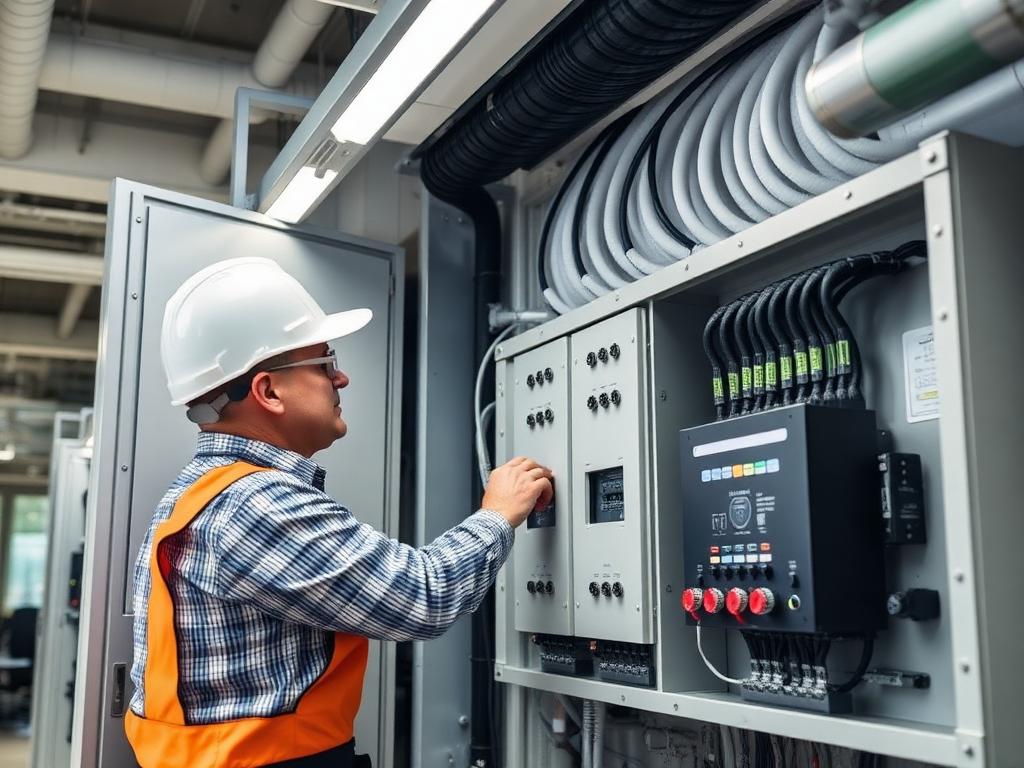
Often the answer is a repair. A single failed breaker, a loose lug, a double-tap, or one overloaded circuit can be corrected on its own, with a matched breaker seated and the terminations torqued to spec. The panel stays in place, and the cost stays low.
A full panel replacement makes sense when the box itself is the problem: a corroded bus, repeated heat damage, undersized service, or a Federal Pacific or Zinsco panel that can fail to trip. Our Licensed electrician weighs the panel’s age, capacity, and safety, then gives an honest call rather than defaulting to the bigger job.
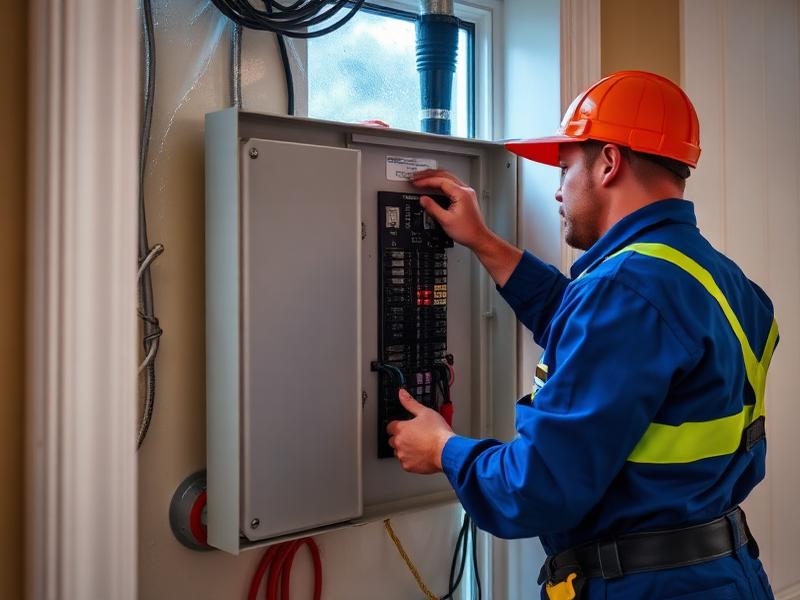
A breaker rarely fails without warning, but the early signs are easy to miss until they turn into a real hazard. Florida heat, humidity, salt-air corrosion, and a constant AC load wear breakers and connections down faster here than in most of the country, so small problems escalate fast. Catching them early keeps a minor repair from becoming a panel fire. Call a Fort Lauderdale electrician when any of these show up:
Any one of these points to a fault worth checking before it spreads.
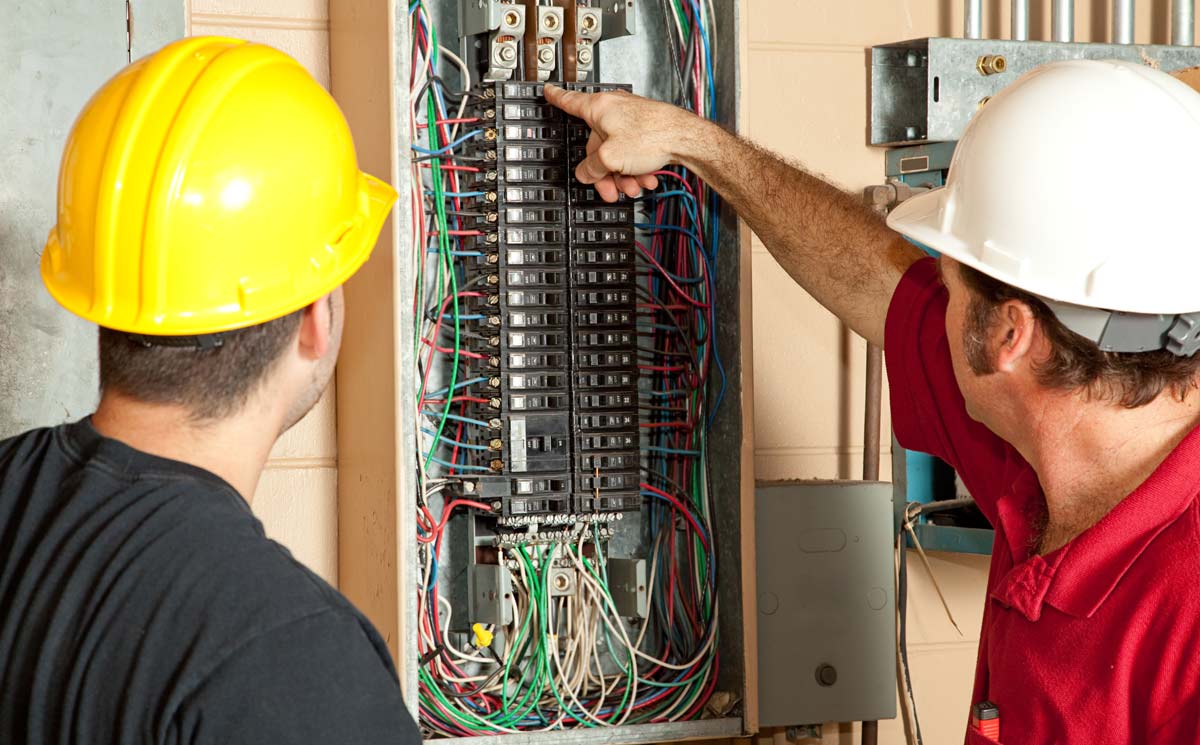
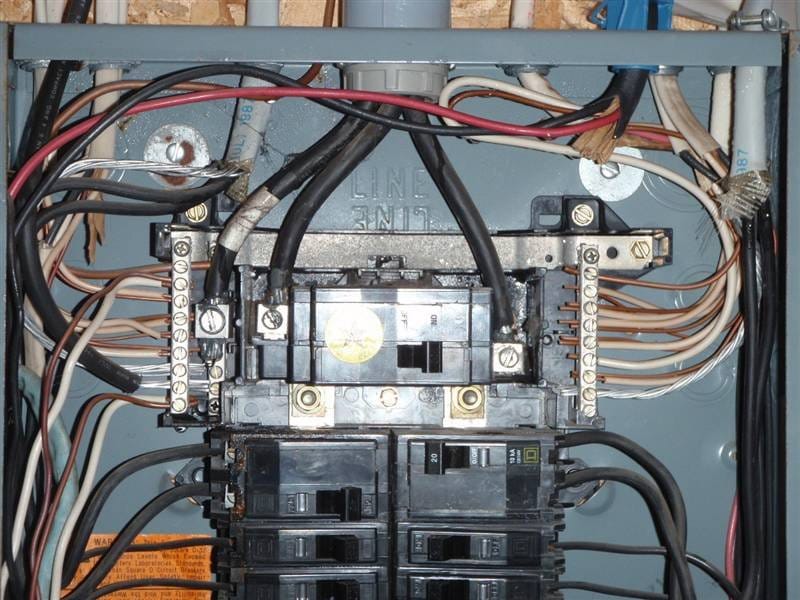
We inspect the electrical panel for overheating, corrosion, scorch marks, and other signs of damage, then test the affected circuit to identify what caused the breaker to trip. The focus is on finding the root problem, not just resetting the breaker.
Once the issue is diagnosed, we determine whether the problem is an overloaded circuit, short circuit, ground fault, loose connection, or failing breaker. We explain the recommended solution and provide upfront pricing before any repairs begin.
After shutting off power and verifying the system is safe to work on, we correct the fault by repairing connections, replacing damaged components, or installing a properly matched breaker. All terminations are tightened to manufacturer specifications to prevent future overheating.
We restore power, verify the breaker operates correctly under load, and test any AFCI or GFCI protection when applicable. Before leaving, we explain what caused the problem, review the completed work, and provide warranty information for your peace of mind.
With nearly 30 years of experience in South Florida, every breaker repair is backed by licensed electricians, full insurance coverage, and workmanship you can trust. That experience helps us diagnose problems accurately and complete repairs safely the first time.
We do more than reset tripped breakers. Every service call includes testing for overloads, short circuits, ground faults, and loose connections to identify and fix the real problem. The result is a lasting repair that helps prevent recurring electrical issues.
New breakers are matched to the panel and properly sized to the circuit wiring for safe, reliable performance and inspection-ready results. Every installation follows current electrical codes and manufacturer requirements.
We regularly work with Federal Pacific, Zinsco, and other outdated panels known for safety and insurance issues. Our team provides honest recommendations based on the condition of your system. When replacement is the safer option, we explain the reasons clearly and provide practical solutions.
Free estimates, written flat-rate quotes, and same-day availability help you get the repair done fast. You'll know the full cost before work begins, with no hidden fees or surprise charges. Emergency service is also available when a breaker problem cannot wait until normal business hours.
Tripping breakers, hot or buzzing panels, missing AFCI and GFCI protection, double-taps, and aging Federal Pacific or Zinsco panels all get diagnosed and corrected to code. Klean Power Electric pairs trained electricians with flat-rate pricing, matched breakers, and same-day scheduling across Broward County, so the fix lasts and the panel passes inspection.
Monday     Open 24 hours
Tuesday    Open 24 hours
Wednesday  Open 24 hours
Thursday   Open 24 hours
Friday     Open 24 hours
Saturday   Open 24 hours
Sunday     Open 24 hours
Your trusted local electrician serving homes and businesses throughout Broward County with professional, code-compliant electrical services.
Klean Power Electric provides residential, commercial, and industrial electrical services across Fort Lauderdale and Broward County. Core services include:
Nestled between the Atlantic Ocean and the Everglades, Fort Lauderdale is a vibrant coastal city known for its boating culture, diverse neighborhoods, and active lifestyle. The city offers a balance of waterfront relaxation and urban energy, with residents enjoying everything from scenic canals and public parks to thriving dining and entertainment districts. Its continued population growth and property development make it one of South Florida’s most dynamic communities.
Maintaining a property in Fort Lauderdale requires solutions that can stand up to the region’s coastal environment and evolving building needs. Whether in an older home, a waterfront residence, or a modern commercial property, dependable electrical systems play a critical role in daily comfort and safety. Klean Power Electric proudly serves the Fort Lauderdale community with professional electrical services designed to keep homes and businesses powered, protected, and operating efficiently year-round.
A breaker that keeps tripping is usually reacting to a real fault, not failing on its own. The three common causes are an overloaded circuit with too many devices drawing power, a short circuit where a hot wire touches a neutral or ground, and a ground fault leaking current. A loose connection or a genuinely worn breaker can also cause it. An electrician meters the circuit to pinpoint which one it is, then fixes that cause so the tripping stops for good.
Resetting once is fine, since a breaker can trip from a one-time overload. Resetting it again and again is not safe. The breaker is warning of an ongoing fault, and forcing power back onto a shorted or overloaded circuit can overheat the wiring behind the wall. A breaker that trips immediately on reset or trips repeatedly should be left off until an electrician finds the cause. Repeated resetting masks a problem that can become a fire.
A breaker that will not reset or will not stay in the ON position is almost always sensing a live fault on the circuit, usually a short or a ground fault that it refuses to power into. Less often, the breaker itself has failed internally and can no longer latch. The fix is to test the circuit first, clear the short or ground fault, and only then replace the breaker once it has actually failed. Forcing it on solves nothing and adds risk.
A standard single-pole breaker runs about $150 to $300 installed in Fort Lauderdale, and a double-pole 240-volt breaker for an AC, dryer, or range runs about $200 to $375. AFCI and GFCI breakers cost more, around $200 to $475, because the device itself is pricier. A breaker diagnostic or service call typically runs $89 to $175 and gets folded into the repair. The written flat-rate quote covers the breaker and labor before any work begins.
Sometimes a breaker truly has failed and a simple swap is the fix. More often, the breaker is tripping because of a fault on the circuit, so swapping it without finding that fault just moves the problem. The electrician diagnoses the circuit first. When the breaker is the issue, it gets replaced with a matched unit. When the wiring, a connection, or the load is the issue, that gets corrected, which is the honest and lasting repair.
A hot or buzzing breaker is a warning sign that needs prompt attention. It usually means a loose connection at the lug, an overloaded circuit, or a breaker that is failing internally. The heat comes from electrical resistance at a bad connection, and that heat can scorch the bus and start a fire. A faint hum under load can be normal, but buzzing, crackling, or warmth on the breaker or panel cover is not. An electrician should inspect it quickly.
A double-tapped breaker has two wires connected under a single lug that is designed for one. It is a common shortcut in older and DIY work, and it fails a four-point inspection because the loose, shared connection overheats and is a fire risk. Most breakers are not rated for two conductors. The fix is to add a separate breaker for the second wire, use a tandem breaker where the panel allows, or join the wires properly, so each lands the way the listing requires.
Federal Pacific Stab-Lok and Zinsco breakers are known to fail to trip under an overload or short, which defeats the entire purpose of a breaker and is a documented fire risk. Replacing individual breakers in these panels is not a reliable fix, since the panels and bus design are the underlying problem. The standard recommendation is to replace the whole panel. Florida insurers reflect this, with Federal Pacific panels ineligible with the large majority of carriers.
AFCI and GFCI breakers trip on conditions a standard breaker ignores, so they sometimes catch real faults that were always there, like a damaged wire, a failing appliance, or a shared neutral between circuits. They can also nuisance-trip from certain motors or from wiring that is not arranged the way these breakers expect. An electrician sorts a genuine fault from a wiring issue, corrects the cause, and confirms the breaker holds, so the protection works without false trips.
Yes. Adding a 240-volt appliance like an AC, EV charger, range, or dryer means adding a properly sized double-pole breaker and a dedicated circuit run to the equipment. The electrician confirms the panel has the capacity and an open slot, sizes the breaker and wire to the load, and connects it to code. When the panel cannot support the new load, the options are a tandem breaker, a subpanel, or a panel upgrade, which gets explained up front.
Yes, in most cases. When a panel has no open slots, there are a few options. Tandem or half-size breakers fit two circuits in one slot where the panel is listed for them. A subpanel adds a bank of new slots fed from the main. When the panel is also undersized for the home's load, a panel upgrade is the better long-term move. The electrician checks the panel's listing and load, then recommends the option that fits the home.
No. A breaker must be listed for the specific panel brand and model under NEC 110.3(B). Forcing a generic or off-brand breaker into a panel it was not made for is a common inspection failure and a safety risk, because the fit on the bus and the trip characteristics are not guaranteed. The technician installs the correct matched breaker, Square D in a Square D panel, Eaton in an Eaton panel, so the connection is safe and code-compliant.
A failed breaker shows a few signs: it will not reset even with the circuit cleared, it trips with no load on the circuit, it feels hot or looks scorched, or, most dangerously, it does not trip when the circuit is clearly overloaded. That last one is the hidden failure, since the breaker looks fine but no longer protects the wire. An electrician tests the breaker against its rating to confirm a true failure before replacing it.
A simple like-for-like breaker swap is often treated as a minor repair and may not need a permit, though it depends on the local jurisdiction. Adding a new circuit, installing a subpanel, converting a fuse box to breakers, or replacing the panel does require a permit and inspection. Klean Power Electric handles any permit needed through City of Fort Lauderdale Building Services or Broward County, so the work is documented and code-compliant.
A straightforward breaker replacement usually takes under an hour once the cause is diagnosed. Tracing a hard-to-find short, correcting double-taps, or adding a new circuit extends the visit, and a subpanel or panel upgrade is a longer job. Most breaker repairs and replacements wrap up the same day, with the circuit tested under load before the electrician leaves, so the panel is back to safe in a single visit.